Polished vs. Coated Concrete Finishes in Commercial Settings
People seeking coated concrete finishing in commercial settings aim to achieve durable, attractive surfaces, and local service providers can help select and apply the right coatings.
Understanding the differences between polished and coated concrete finishes in commercial settings is essential for property owners aiming to make informed decisions about their flooring options. Whether planning a new installation or considering upgrades, exploring these finishes can help determine which solution aligns best with practical needs such as durability, appearance, and maintenance. Local contractors specializing in coated concrete finishing services can provide valuable insights and expertise, ensuring that the chosen finish meets the specific demands of the space and enhances its overall functionality.
Property owners in the area often explore this topic to identify finishes that offer long-lasting performance and aesthetic appeal for high-traffic commercial environments. Coated concrete finishes, for example, can provide additional protection against wear and stains, making them a popular choice for industrial or retail spaces. By comparing polished versus coated options, and consulting with experienced service providers, property owners can select a finish that balances practicality with visual appeal, supporting the operational needs and overall look of their commercial spaces.
- When a commercial space requires a durable, high-gloss finish for aesthetic appeal, local contractors can apply coatings that enhance surface protection and visual impact. - For facilities seeking a low-maintenance flooring option with consistent color and texture, service providers offer coated concrete solutions that resist staining and wear. - In areas where quick turnaround is essential, local pros can install coated concrete finishes that cure faster than polished options, minimizing downtime. - When slip resistance is a priority without compromising appearance, experts can incorporate textured coatings suitable for high-traffic commercial environments. - For projects aiming to balance cost-effectiveness with long-term performance, service providers can recommend coated concrete finishes as a practical alternative to polished surfaces.
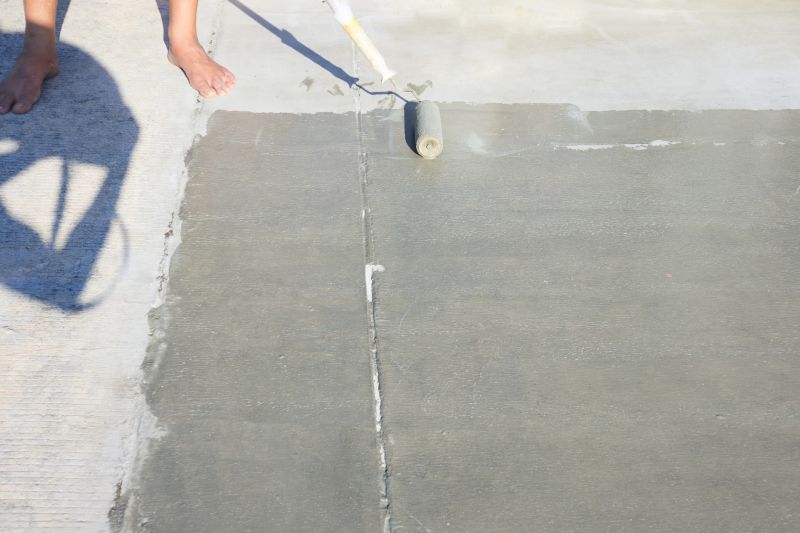
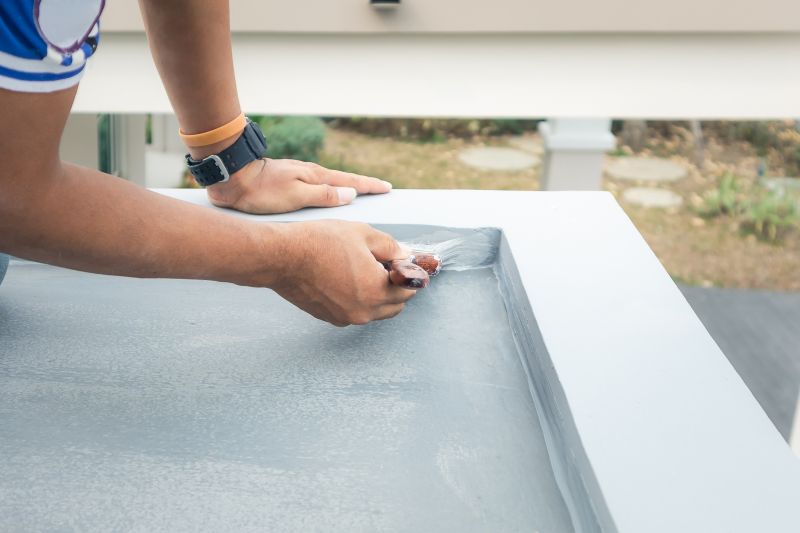
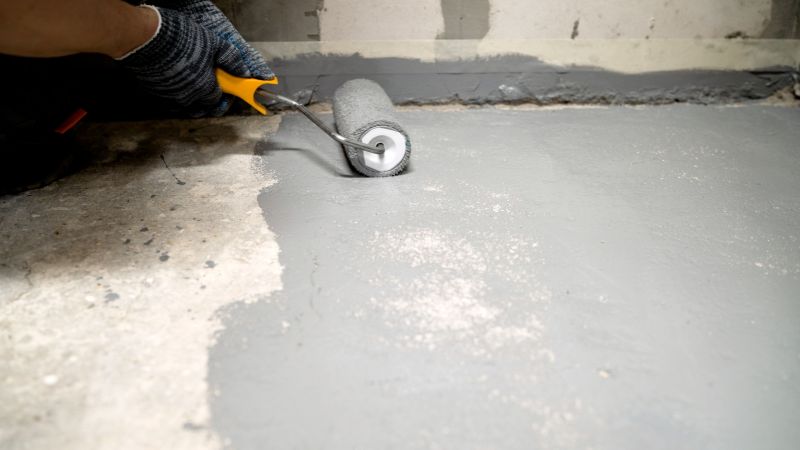
When searching for information on polished vs. coated concrete finishes in commercial settings, most people are exploring how these surface treatments can enhance the appearance, durability, and functionality of large-scale concrete floors. This topic often comes up in the context of planning renovations or new construction projects for retail stores, warehouses, manufacturing facilities, or office buildings. Property owners and managers typically want to understand the differences between these finishes to determine which option aligns best with their operational needs, aesthetic goals, and budget considerations. They are interested in how each finish affects the look of the space, ease of maintenance, slip resistance, and overall longevity, especially in high-traffic or heavy-use environments.
This comparison is closely related to a variety of project challenges and planning decisions. For example, those considering polished concrete are often looking for a sleek, modern appearance that minimizes ongoing upkeep, making it suitable for spaces aiming for a high-end look or a low-maintenance surface. Coated concrete finishes, on the other hand, may be chosen for their ability to provide additional protection against stains, chemicals, or wear, which is important in industrial or commercial settings with specific functional demands. Property owners may also be weighing the long-term costs of maintenance and repair, as well as how each finish impacts safety features like slip resistance. Local contractors specializing in coated concrete finishing can help evaluate these factors and recommend solutions tailored to the property’s specific use and environment.
The types of properties that typically feature polished vs. coated concrete finishes in commercial settings include retail centers, warehouses, manufacturing plants, and office complexes. Retail spaces often favor polished concrete for its bright, reflective surface that enhances visual appeal and creates a welcoming atmosphere. Warehouses and industrial facilities may opt for coated finishes to improve resistance to chemicals, abrasion, or moisture, ensuring the floor withstands rigorous use over time. Office buildings might choose polished concrete for a clean, professional look that complements modern interior design. In each case, local service providers who specialize in concrete finishing can assess the property's needs and recommend the most appropriate finish, whether it’s a high-gloss polish or a durable, protective coating. Their expertise helps ensure the chosen finish meets both aesthetic preferences and functional requirements for the specific commercial environment.
Industrial warehouse flooring - local contractors skilled in applying durable coatings and polishing techniques are essential for achieving long-lasting, high-performance concrete finishes in large commercial spaces.
Retail store flooring - professionals experienced in polished and coated concrete can help create attractive, low-maintenance surfaces suitable for high foot traffic environments.
Office building lobbies - service providers with expertise in decorative concrete finishes can deliver polished or coated floors that enhance aesthetic appeal and durability.
Healthcare facility floors - local pros familiar with hygienic and seamless concrete coatings are vital for maintaining clean, sterile environments in commercial settings.
Educational institution flooring - skilled contractors can assist in installing resilient concrete finishes that withstand heavy use and frequent cleaning routines.
Parking garage surfaces - experienced service providers can apply specialized coatings to protect concrete from wear and environmental exposure in commercial parking areas.
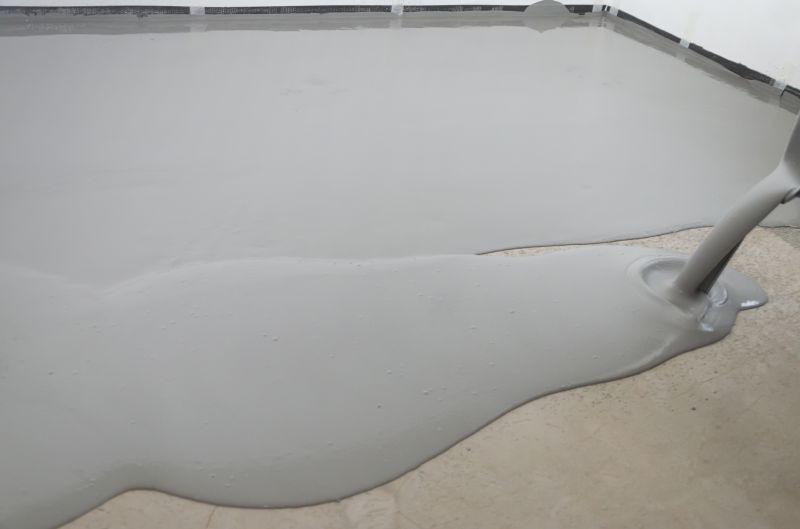
When evaluating service providers for coated concrete finishing in commercial settings, it is important to consider their experience with similar projects. Contractors who have successfully completed polished versus coated concrete finishes in environments comparable to the intended space can provide valuable insights into the best approach for durability, appearance, and functionality. Asking about past work helps ensure that the local contractors understand the specific requirements of commercial applications and have a track record of delivering quality results suited to those needs.
Clear, written expectations are essential when comparing local contractors for coated concrete finishes. A detailed scope of work should outline the specific surface preparation, coating materials, application methods, and finishing techniques that will be used. This clarity helps prevent misunderstandings and ensures that both parties are aligned on project outcomes. Service providers who can articulate their process and provide comprehensive written proposals demonstrate professionalism and transparency, making it easier to assess their suitability for the project.
Reputable references and effective communication are key factors in selecting the right local pros for coated concrete finishing services. Contractors with solid references from previous clients can offer insights into their reliability, work ethic, and the quality of their finished work. Good communication throughout the project is also crucial; service providers who are responsive, transparent, and attentive to questions or concerns foster a smoother process and help ensure that the finished concrete surface meets expectations. Considering these aspects can lead to a more informed decision when choosing a contractor for polished versus coated concrete finishes in commercial settings.
Property owners often search for polished vs. coated concrete finishes in commercial settings when they are planning practical projects around their homes and businesses. Local pros provide Coated Concrete Finishing services for everyday jobs and straightforward project options.
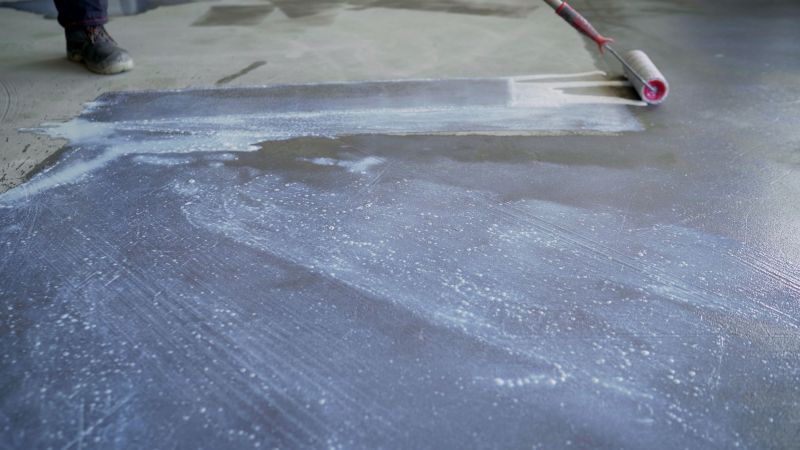
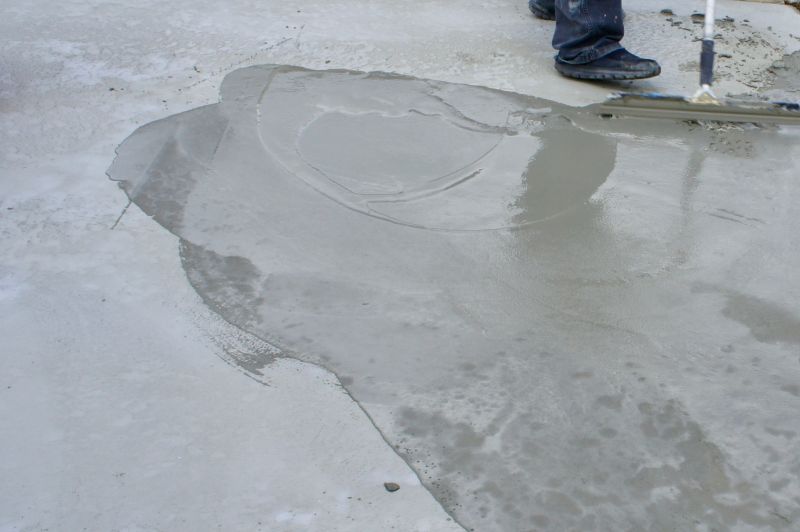
In many commercial settings, property owners often explore the differences between polished and coated concrete finishes to determine the best option for their space. Polished concrete offers a sleek, high-gloss appearance that can enhance the overall look of retail stores, offices, or industrial facilities, providing a durable and low-maintenance surface. Coated concrete finishes, on the other hand, can be customized with various colors and textures, making them suitable for spaces that require slip resistance or specific aesthetic accents. When considering these options, property owners frequently seek the expertise of local contractors who specialize in concrete finishing to evaluate their needs and recommend the most appropriate solution.
Choosing coated concrete finishing services from local service providers can be a practical step for commercial property owners looking to improve the functionality and appearance of their floors. Coatings can help protect concrete surfaces from stains, wear, and damage, while also offering the flexibility to match branding or design themes. Local contractors can assess the specific conditions of a space and suggest coatings that align with the intended use, whether that’s for heavy foot traffic, chemical resistance, or aesthetic appeal. For property owners researching their options, connecting with experienced local pros ensures access to professional guidance tailored to their commercial project needs.
What are the main differences between polished and coated concrete finishes in commercial settings? Polished concrete provides a smooth, glossy surface achieved through grinding and polishing, while coated concrete involves applying a protective layer or coating to enhance durability and appearance. Local contractors can help determine which finish suits the specific needs of a commercial space.
How do polished and coated concrete finishes compare in terms of durability? Polished concrete is highly durable and resistant to wear, making it suitable for high-traffic areas, whereas coated finishes can offer added protection against stains and chemicals depending on the coating used. Local service providers can advise on the best option based on the environment.
Can coated concrete finishes be customized for different commercial settings? Yes, coated concrete finishes come in various colors, textures, and sheens, allowing customization to match branding or aesthetic preferences. Local pros can assist with selecting and applying coatings that meet specific design requirements.
Are coated concrete finishes easier to maintain than polished finishes? Coated finishes typically require regular cleaning and occasional recoating, while polished concrete is low-maintenance but may need periodic polishing to maintain shine. Local contractors can provide guidance on maintenance routines for each finish type.
What factors should be considered when choosing between polished and coated concrete finishes in commercial spaces? Factors include the desired appearance, durability needs, maintenance requirements, and environmental conditions. Consulting with local pros can help identify the most suitable finish for the specific application.
Assessing durability needs - Property owners can evaluate whether polished or coated concrete finishes best suit high-traffic areas by consulting local contractors experienced in commercial applications. Choosing aesthetic styles - Deciding between the sleek look of polished finishes or the customizable options of coatings can be guided by local service providers to match the building's design. Considering maintenance requirements - Property owners can discuss with local pros the ongoing upkeep differences between polished and coated concrete to select the most practical option. Matching finish to environment - Local contractors can advise on which concrete finish withstands specific environmental conditions, ensuring long-term performance for commercial spaces.
If you are thinking about polished vs. coated concrete finishes in commercial settings for a property, this guide is meant to help you understand this topic, the typical project types, and how different options might fit your plans.
When you are ready, you can use the quote form on this page to share a few details about your project. From there, local pros can review the basics and follow up with options that match what you have in mind.